Transform Flat Plots: Essential Writing Tips

Most writers don’t abandon their stories because they lack talent or are simply lazy. Instead, they stop because the plot begins to feel confusing, dull, or emotionally hollow… and no amount of well-meaning “just keep writing” advice seems to resolve that unsettling feeling.
Here’s the frustrating truth: a story rarely breaks all at once. Instead, it slowly and quietly loses its clarity and spark over time.
Let’s explore how to gently and honestly address that problem without completely tearing everything down and starting over.
First: Stop Asking “What Happens Next?”
This might initially sound counterintuitive or even surprising, but one of the most common and significant plot mistakes I frequently observe among writers is their tendency to rush headlong into events without taking the necessary time for proper consideration and thoughtful planning.
When a story begins to stall or lose momentum, it’s easy to panic and immediately ask:
What happens next?
However, plot problems are rarely just about the sequence of events themselves — they are fundamentally about why those events matter in the grand scheme of the story.
I’ve personally written entire chapters where, although events unfolded on the page, nothing truly meaningful or significant changed in the story. No important decisions were made by the characters, no real consequences were faced, and no genuine emotional growth occurred. This absence of depth and impact left the story feeling lifeless and flat, as if it were completely drained of energy right there on the page.
Before attempting to fix the structure, it is essential to reconnect with the deeper meaning of the story and understand what truly drives its progression.
Return to the Heart of the Story
When a plot feels lost, it’s often because the story drifted away from its emotional centre.
When a plot feels lost or aimless, it’s often because the story has drifted away from its true emotional centre, leaving the narrative feeling disconnected or unfocused.
Take a moment to ask yourself:
- Who is this story really about?
- What do they want more than anything right now?
- Why does this matter to them — not just the plot?
This approach isn’t about vague or broad themes. It’s about finding a way to ground the story again in something meaningful and emotionally resonant.
For example, I once believed my character’s goal was simply to “escape the city.” But what she truly wanted was freedom from the version of herself she had become—a deeper, more personal desire.
Once I realized that, the plot stopped feeling random and disjointed. Every obstacle and challenge she faced suddenly gained emotional weight and significance, driving the story forward in a much more compelling way.
This isn’t about vague themes. It’s about grounding the story again.
For example, I once believed my character’s goal was simply to “escape the city.” In reality, what she truly desired was freedom from the version of herself she had become.
Once I saw that, the plot stopped feeling random. Every obstacle suddenly had emotional weight.
Conflict Isn’t Chaos — It’s Resistance
Many writers often assume that conflict always involves dramatic explosions, shocking betrayals, or the presence of clear villains. However, the truth is that real conflict is much simpler in nature, yet at the same time, it can be significantly more challenging to capture and portray effectively.
That “something” that creates conflict can be many different things:
One powerful question that has the ability to change everything is:
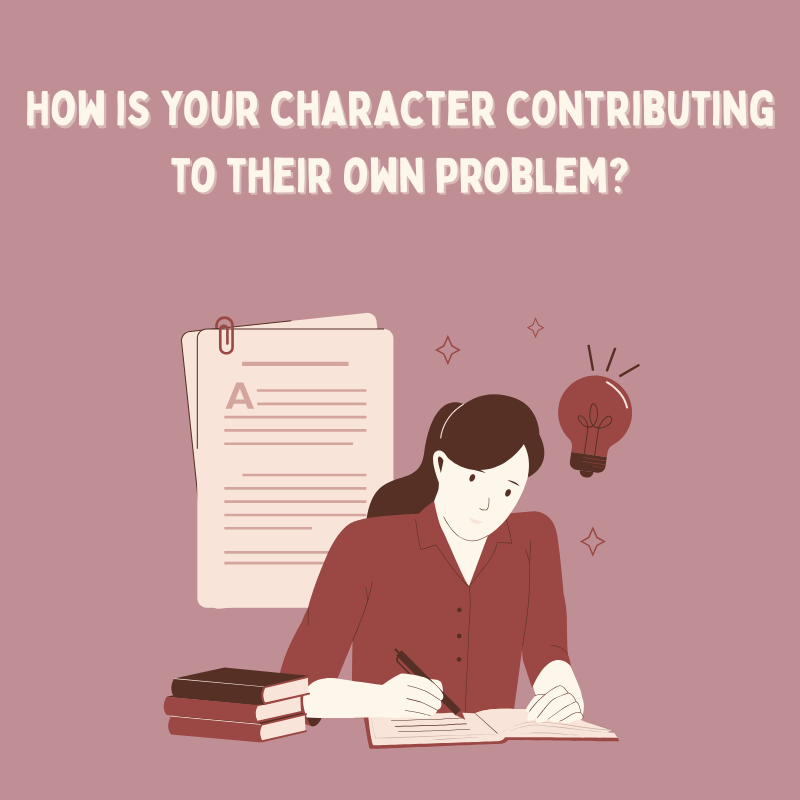
This is exactly the moment where stories become truly interesting and often quite uncomfortable. The reason for this is that the answer we seek is usually found within our emotions, rather than in any external circumstances or factors.
If Failure Doesn’t Cost Anything, the Plot Feels Flat
A weak plot often stems from having weak stakes that fail to engage the reader fully.
Take a moment to ask yourself:
- What happens if my character fails?
- What do they lose — emotionally, practically, relationally?
- Who else is affected?
In early drafts, it’s common to shield characters too much from real danger. I’ve made this mistake myself — creating problems that were more irritating than truly threatening or life-changing.
Readers become deeply invested when the possibility of failure carries real, significant consequences.
It’s not about adding dramatic pain just for shock value — instead, it’s about ensuring the consequences genuinely matter and affect this particular character in meaningful ways.
Raising the Stakes Without Random Drama
When a story starts to drag and lose momentum, it’s easy to feel tempted to throw in some chaotic elements just to shake things up. However, true urgency and tension don’t come from randomness or disorder — they come from focused, mounting pressure that pushes the characters and plot forward in meaningful ways.
Rather than introducing something bigger or more explosive, try adding something that feels closer and more personal to the characters and the narrative. The goal isn’t to create louder, more dramatic scenes just for the sake of spectacle. Instead, it’s about crafting scenes that feel heavier, more impactful, and emotionally charged, where every detail matters and contributes to the story’s intensity.
Is Your Character Actually Doing Anything?
This one is uncomfortable to admit — but it holds a lot of power.
If your plot feels slow or stagnant, ask yourself this important question:
- Is my character making choices?
- Or are things just happening to them?
Strong, engaging plots progress when characters take decisive action, make mistakes, learn from them, try again with new approaches, and face difficult choices between less-than-ideal options.
A story truly comes alive and captures the reader’s attention when the protagonist reaches a point where they can no longer remain comfortable or complacent in their current situation. This moment of discomfort or unrest is what drives the narrative forward and creates compelling tension.
The Middle Isn’t Filler — It’s the Emotional Core
Most stories tend to fall apart in the middle — not necessarily because the writers lack skill or creativity, but because this is the point where the story often stops riding the initial wave of excitement and momentum.
The middle’s primary job is to deepen the narrative by developing characters, raising stakes, and introducing complications that challenge the protagonist’s goals and beliefs.
If nothing shifts internally within the characters or relationally between them during the middle section, the plot can start to feel stagnant, as if it’s merely treading water without any real forward movement or growth.
Even one small but significant turning moment — such as a sudden realization, a crushing failure, or a tense confrontation — has the power to realign the entire story and propel it toward a compelling conclusion.
Fix One Scene Before Fixing the Whole Plot
Trying to fix everything at once is overwhelming.
Instead, pick one scene you secretly hate or avoid.
Trying to fix everything all at once can quickly become overwhelming and exhausting.
Instead, choose just one specific scene that you secretly dislike or tend to avoid working on.
Ask yourself:
- What is this scene supposed to do?
- What actually happens?
- What changes because it exists?
If the answer you come up with is “nothing,” then congratulations — you’ve identified the real problem.
Sometimes the solution is rewriting the scene entirely. Sometimes it involves combining that scene with another to strengthen the narrative. And sometimes — with courage — it means cutting the scene out altogether.
That’s not a sign of failure. That’s a mark of true craftsmanship.
You Didn’t Break Your Story
If your plot feels messy, unclear, or heavy right now — that doesn’t mean you’re doing it wrong.
It usually means you’ve reached the part of writing where the story asks for more honesty, depth, and intention.
Plot isn’t about perfection.
It’s about clarity.
And clarity comes from asking better questions — not forcing better ideas.
Want Help Working Through This Step by Step?
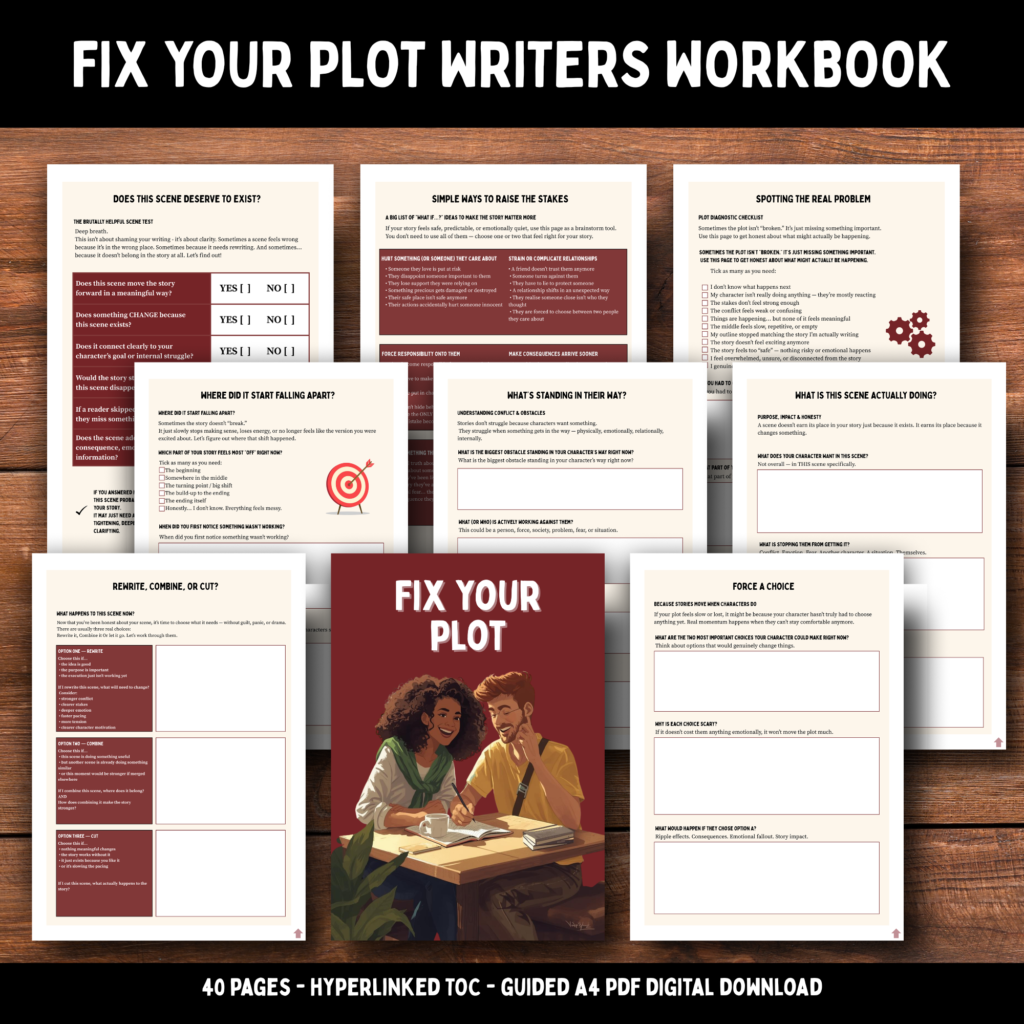
If you’d rather not do all this alone, I created a gentle, guided plot workbook designed for writers who feel stuck, overwhelmed, or disconnected from their story.
It walks you through:
- finding what’s actually wrong
- strengthening stakes and conflict
- repairing weak scenes
- rebuilding your beginning, middle, and ending — without rewriting everything
You don’t need to panic-rewrite your book.
You just need the right questions.